EnergyCloud NI and Action Renewables Convene Key Stakeholders to Tackle Fuel Poverty Through Innovation
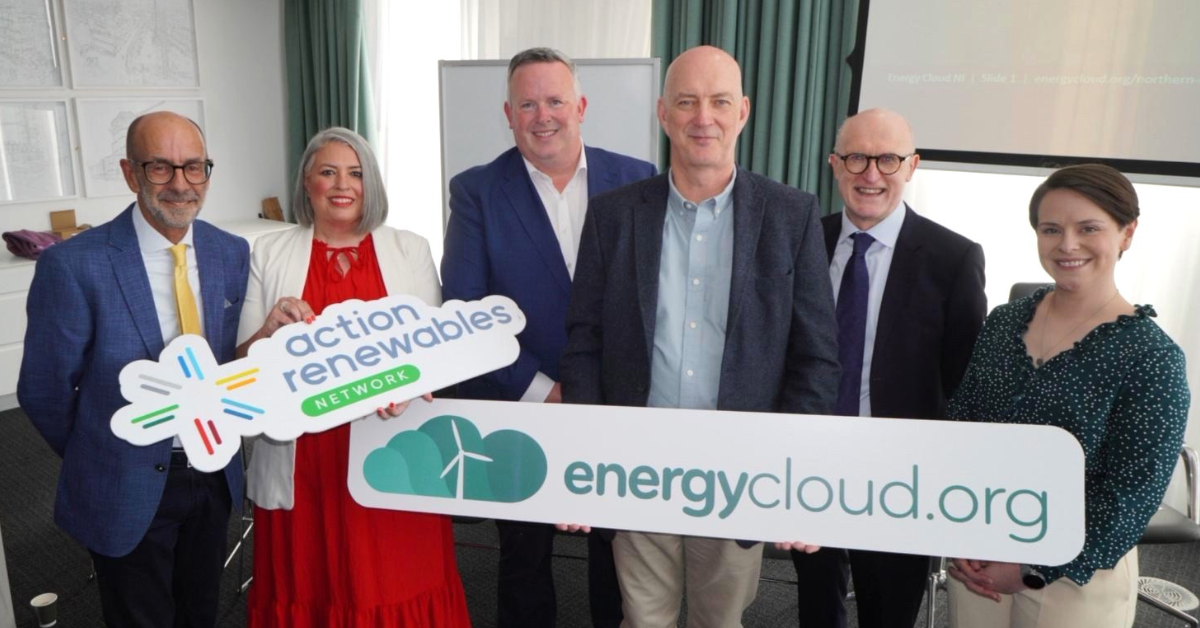
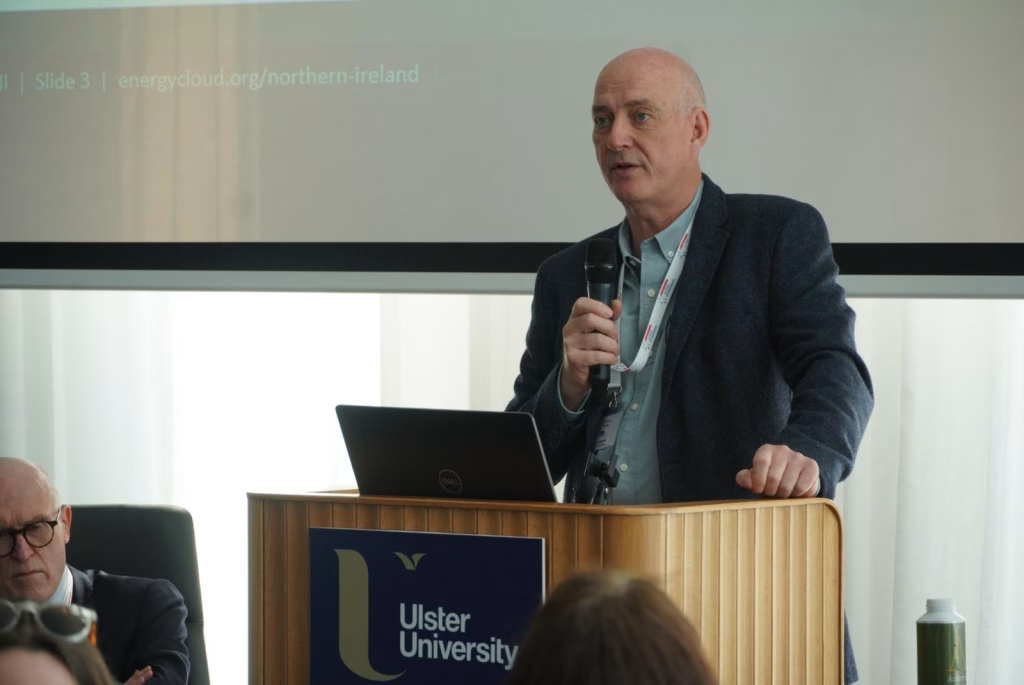
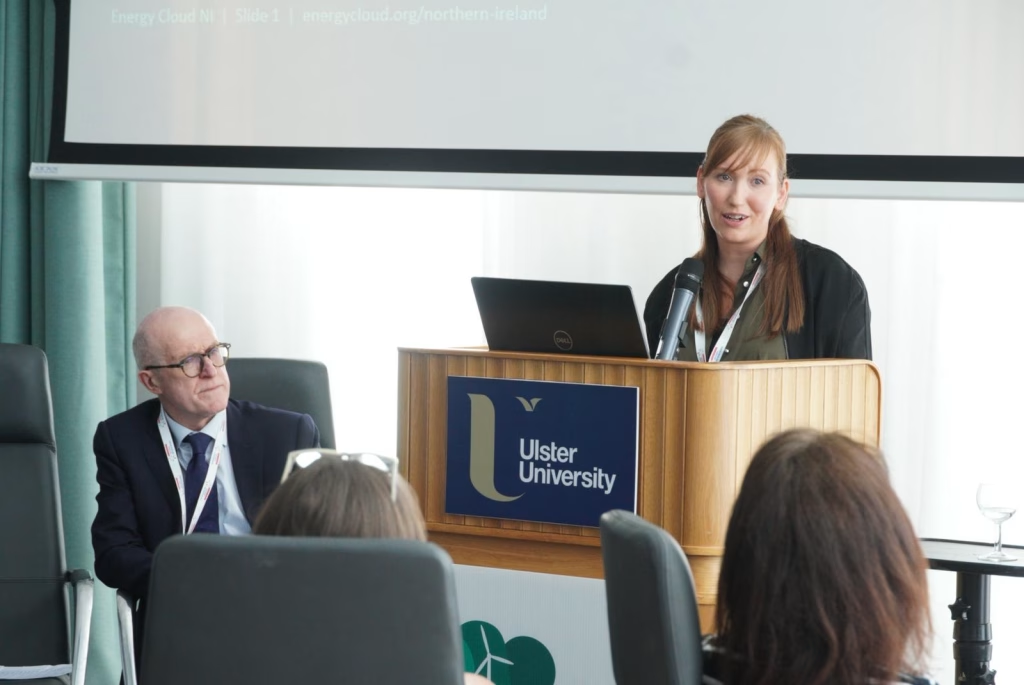
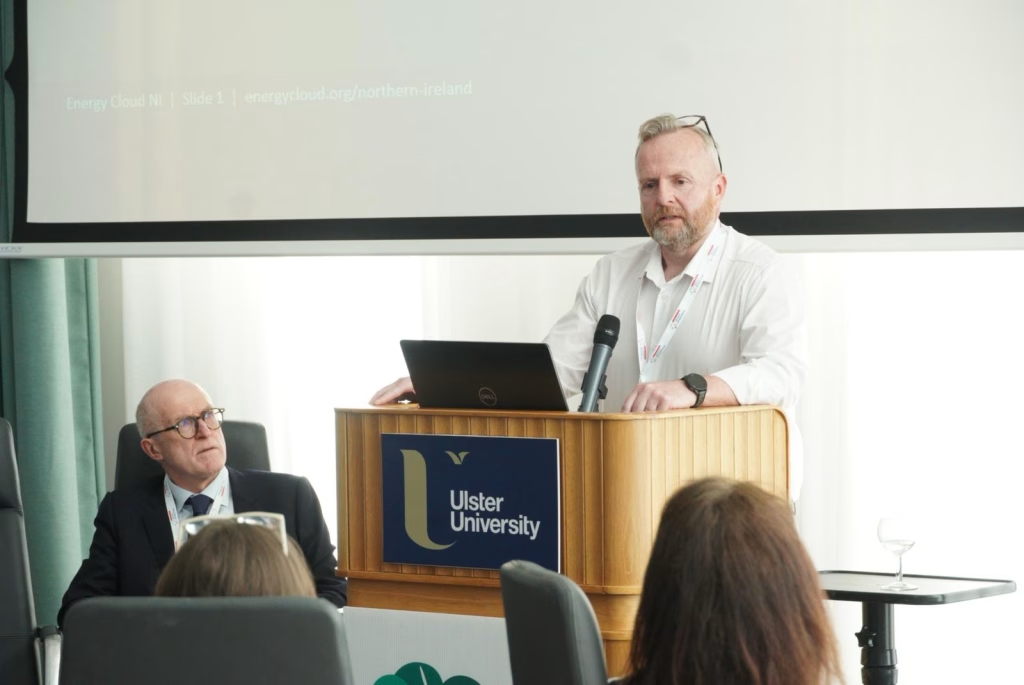
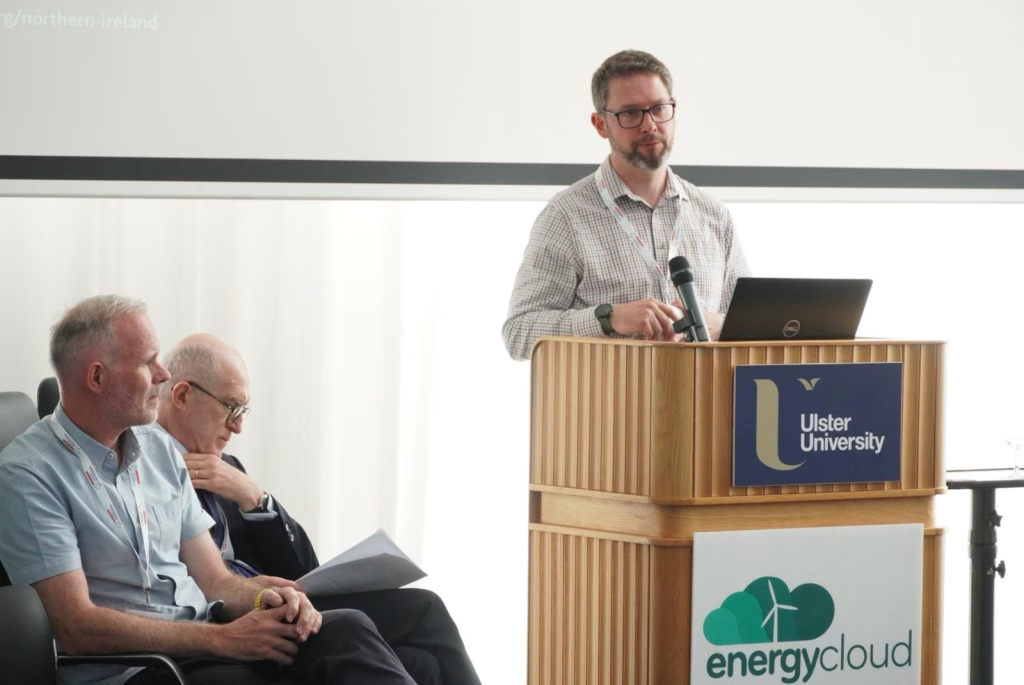
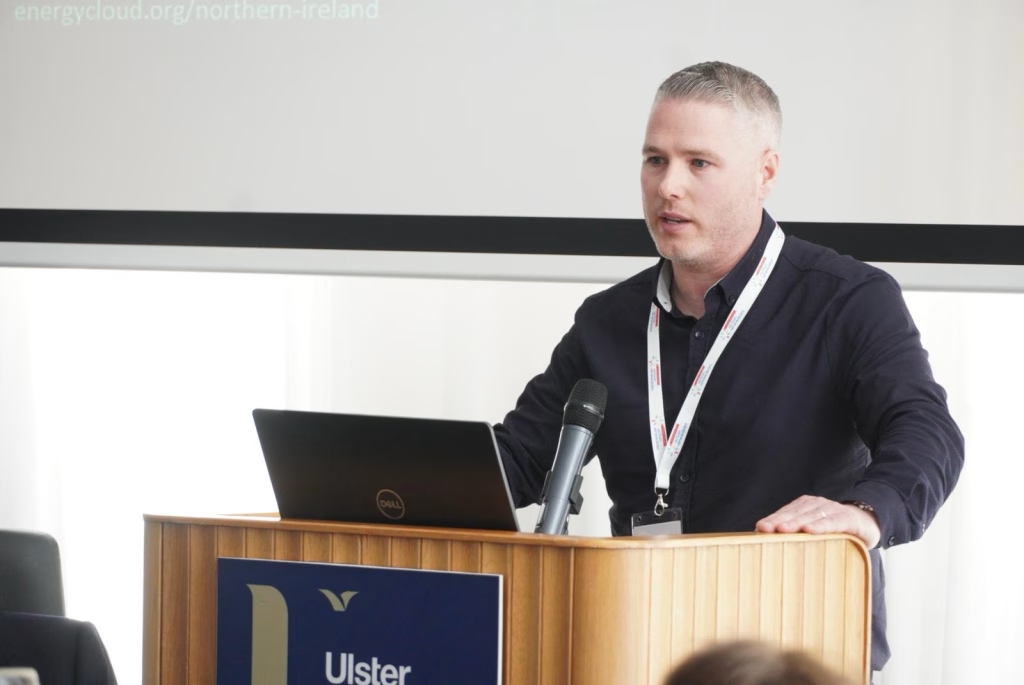
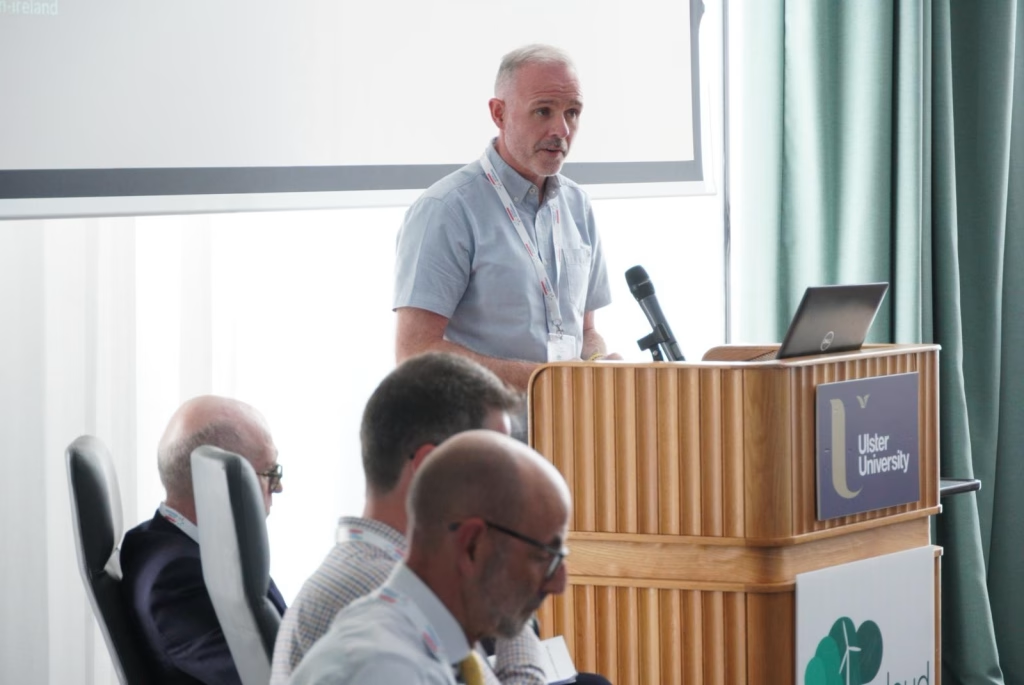
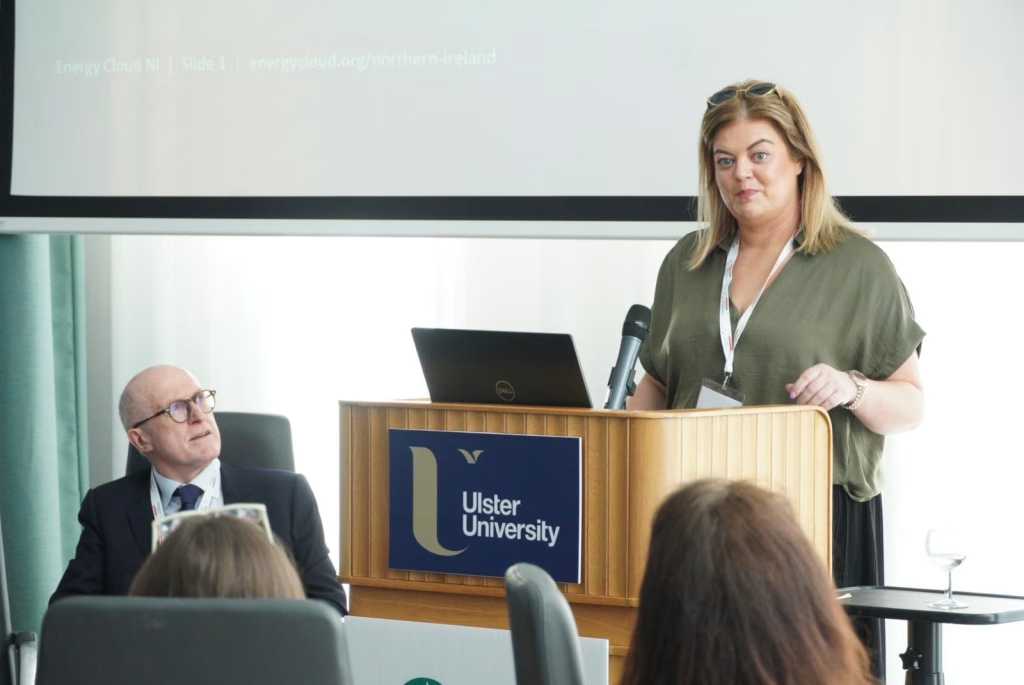
Energy leaders, policymakers, and community stakeholders gathered at Ulster University on 27 May for a collaborative round table event hosted by EnergyCloud NIand Action Renewables, focused on addressing fuel poverty through smarter use of renewable energy.
EnergyCloud NI, a non-profit organisation, is dedicated to capturing surplus renewable energy—power that would otherwise go to waste—and redirecting it to support households experiencing or at risk of fuel poverty. The event provided a platform for cross-sector engagement, bringing together key voices from the energy industry, government, and the voluntary sector.
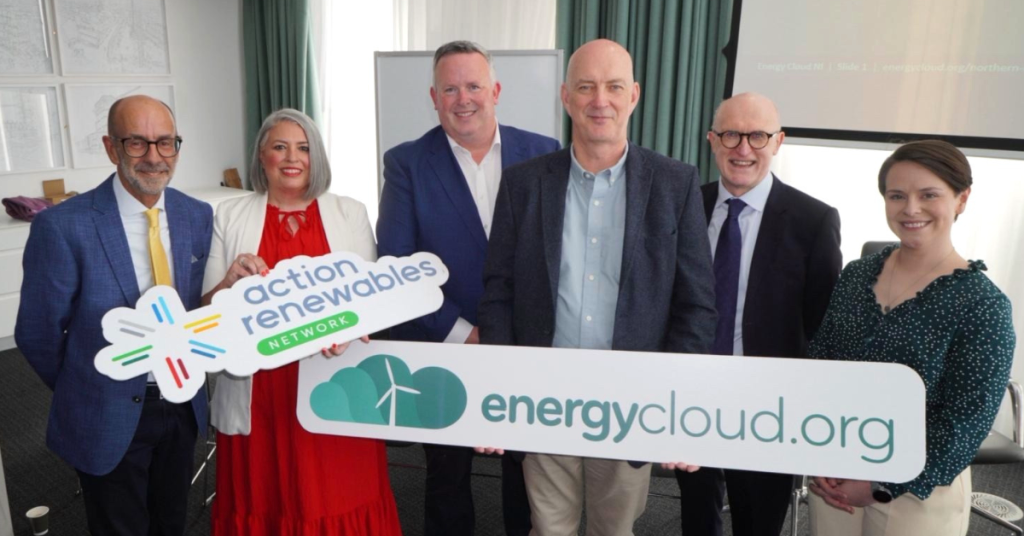
The round table session was designed to foster open dialogue, enabling participants to identify current challenges, exchange insights, and explore practical solutions to maximise the social value of renewable energy. Discussions centred on how innovation, policy alignment, and collaboration can unlock new opportunities to better support vulnerable households.
Throughout the session, attendees examined barriers to implementation, including infrastructure constraints, regulatory considerations, and the need for greater public awareness. The conversation also highlighted the importance of partnership-driven approaches to ensure that surplus energy can be effectively redistributed to those who need it most.
Jamie Delargy, Chairman of EnergyCloud NI said:
“Our mission is simple—no renewable energy should go to waste when there are households struggling to stay warm. This event has been invaluable in bringing together the right people to move that vision forward.”
Terry Waugh, CEO of Action Renewables added:
“Collaboration is critical if we are to tackle fuel poverty in a meaningful and sustainable way. By working together, we can turn excess renewable generation into a real asset for communities across Northern Ireland.”
The event concluded with a shared commitment among participants to continue engagement and develop actionable pathways that will help scale innovative solutions, ensuring surplus renewable energy can play a vital role in reducing fuel poverty.